
Aloe Vera gel is widely known as a natural skincare miracle. People use it to soothe irritation, hydrate dry skin, and even help with acne. Because it is natural, many assume it is safe for everyone, including sensitive skin. I tried it myself, expecting calm and hydration, but instead, I experienced unexpected breakouts. Understanding why this happens is important to avoid skin irritation and get the benefits safely.
Why Aloe Vera Can Cause Breakouts
Even though aloe vera is natural, sensitive skin may react differently. Sensitive skin has a thinner barrier, making it more prone to irritation from certain compounds. Aloe contains natural compounds, such as anthraquinones, that can cause redness, itching, or small bumps. For some people, these reactions can mimic acne.
Store-bought gels often make the situation worse. Many commercial products include alcohol, fragrances, preservatives, or thickeners that can trigger reactions. Even a gel labeled “100% pure” may contain ingredients that are not compatible with sensitive skin.
How My Skin Reacted
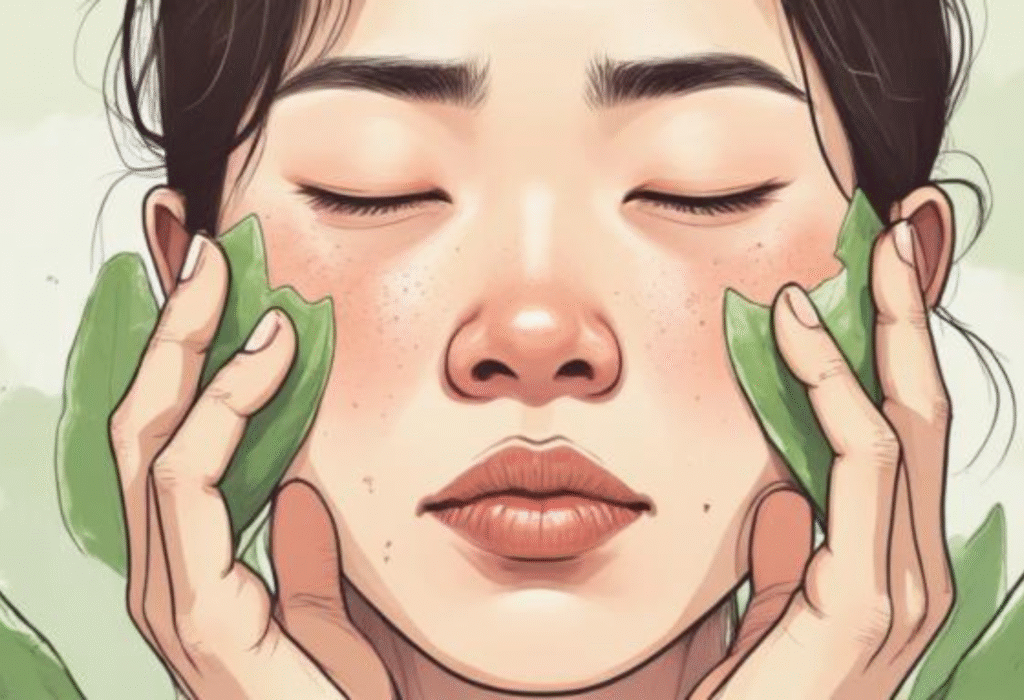
After applying a popular aloe vera gel, I noticed small red bumps and slight itching within a few hours. Initially, I ignored it, thinking it was temporary. But the next day, the irritation had worsened. My skin felt inflamed, and some areas became more visible. This experience made me realize that sensitive skin can react even to natural products, especially when combined with incorrect application.
Common Mistakes When Using Aloe Vera
Several mistakes can cause breakouts or irritation:
- Applying too much gel: Using a thick layer can trap oil, sweat, and bacteria, clogging pores.
- Leaving it on for too long: Extended exposure increases the risk of irritation.
- Mixing with strong products: Combining aloe with acids, retinol, or essential oils can heighten sensitivity.
- Ignoring skin signals: Redness, itching, or bumps are warnings that the skin needs a break.
How to Use Aloe Vera Safely on Sensitive Skin
1. Patch Test First
Before applying aloe vera to your face, test it on a small area such as the inner arm or behind the ear. Wait 24 hours to observe any reactions. If redness, bumps, or itching appear, avoid using it on your face.
2. Choose the Right Product
Look for aloe vera gels labeled “100% pure,” “organic,” or “for sensitive skin.” Avoid products containing alcohol, artificial fragrance, or harsh preservatives. Fresh aloe vera from the leaf is another option, but you must remove the yellow latex part, which contains compounds more likely to irritate the skin.
3. Apply Sparingly
A thin layer is sufficient for hydration and soothing. Overapplying doesn’t improve results and may worsen irritation. For sensitive skin, less is always more.
4. Avoid Mixing with Strong Ingredients
Be cautious when combining aloe vera with other skincare products. Strong acids, retinol, or essential oils can increase the likelihood of irritation. Use aloe on clean skin first, then wait before applying other actives.
5. Listen to Your Skin
Sensitive skin communicates through redness, itching, and bumps. Never ignore these signals. If any signs of irritation appear, remove the product immediately and allow your skin to recover.
Why Natural Doesn’t Mean Safe for Everyone ?
Many people assume natural products are safe. My experience taught me otherwise. Sensitive skin requires caution, even with plant-based ingredients. Each person’s skin is unique, and what works for one individual may cause problems for another.

Benefits of Aloe Vera When Used Correctly
When applied carefully, aloe vera gel offers several advantages:
- Hydration: Aloe vera helps retain moisture, leaving skin soft and smooth.
- Soothing: Its cooling effect reduces minor irritation and redness.
- Anti-inflammatory: Aloe can help calm skin affected by environmental stress or mild irritation.
By respecting the skin’s limits, you can enjoy these benefits without experiencing breakouts.
Tips for Sensitive Skin Users
- Always patch test any new aloe vera product.
- Use a thin layer rather than thick applications.
- Avoid combining with strong acids, retinol, or essential oils.
- Monitor your skin daily for any signs of irritation.
- Consider alternating aloe vera days with other gentle moisturizers to reduce risk.
My Personal Takeaway
After learning the right way to use aloe vera, I now apply it sparingly, rinse after 20–30 minutes, and ensure any new batch is patch tested. My skin now feels hydrated and calm, without the red bumps that occurred previously.
Conclusion
Aloe vera gel can be a great addition to a skincare routine, even for sensitive skin, but only if used carefully. Patch testing, choosing appropriate products, applying lightly, and listening to your skin are essential steps. Sensitive skin is delicate and unique; natural does not always mean harmless. By taking these precautions, you can enjoy the soothing and hydrating effects of aloe vera without unwanted breakouts or irritation .