
Your Gentle Guide to Beating Acne
Acne Isn’t the End Your Solution to Calm ,Acne can feel like a lonely and frustrating battle. For many of us, it’s not just a few stray pimples; instead, it can be a persistent challenge that impacts our self-confidence and well-being. It’s important to remember that acne is incredibly common—a shared experience for millions of people worldwide. However, understanding why it appears is the first step toward finding peace with our skin and taking proactive steps to care for it. This isn’t just about fighting breakouts; it’s about nurturing your skin and your spirit with patience and kindness.

Why Acne Appears?
To truly address acne, we first need to understand the science behind it. Acne is not a random occurrence. Rather, it’s a condition that results from a specific series of events happening deep within our pores. When our skin produces too much oil (sebum), this oil can mix with dead skin cells and plug the pore. Subsequently, this creates a perfect environment for bacteria to grow. Ultimately, this leads to inflammation, which is what we see as a red, swollen pimple.
The primary causes of this chain reaction are:
- Excess Oil Production: This is often linked to hormonal fluctuations, which is why acne is so common during puberty, menstruation, and pregnancy. Androgens, a type of hormone, tell our sebaceous glands to produce more oil.
- Bacteria (P. acnes): This type of bacteria lives on our skin. Under normal circumstances, it’s harmless. However, when a pore becomes clogged, these bacteria multiply rapidly, triggering inflammation and causing breakouts.
- Clogged Pores: Dead skin cells constantly shed from the surface of our skin. If these cells don’t shed properly, they can get trapped in the oil, forming a plug that clogs the pore.
- Inflammation: The body’s immune response to the bacteria and clogged pore is inflammation. This is what leads to the redness, swelling, and pain associated with acne.
Preventing Breakouts Before They Start
Preventing acne is often easier and more effective than treating it after it appears. It all begins with a gentle, consistent approach to skin care. Remember, your goal is to support your skin, not strip it.
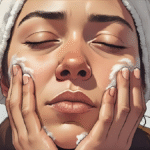
- Cleanse with Care: Wash your face twice a day—once in the morning and once at night—using a gentle, non-stripping cleanser. This will help to remove excess oil, dirt, and bacteria without irritating your skin. Avoid harsh scrubs or soaps, as these can aggravate inflammation and make acne worse.
- Moisturize, Always: It might seem counterintuitive to moisturize oily or acne-prone skin, but it’s a crucial step. When your skin is dry, it can overcompensate by producing even more oil. Therefore, use a lightweight, oil-free, non-comedogenic moisturizer to keep your skin’s barrier healthy and hydrated.
- Sun Protection is Key: While sun exposure might temporarily dry out a pimple, it can cause long-term damage, including post-inflammatory hyperpigmentation (dark spots) and premature aging. So, use an oil-free, broad-spectrum sunscreen with an SPF of 30 or higher every day.
- Choose the Right Products: Look for products containing ingredients like salicylic acid and benzoyl peroxide. Salicylic acid is a beta-hydroxy acid that gently exfoliates the skin, helping to unclog pores. Benzoyl peroxide, on the other hand, is an antibacterial agent that targets acne-causing bacteria. Start with lower concentrations to see how your skin reacts.

Preventing It from Getting Worse
Even with the best preventative care, breakouts can still happen. When they do, the most important thing is to avoid making the problem worse.
- Do NOT Pick or Squeeze: This is perhaps the single most important rule. Picking at a pimple can push bacteria deeper into the skin, leading to more inflammation, a larger breakout, and a higher risk of scarring. Instead, use a spot treatment with ingredients like benzoyl peroxide or sulfur to help the pimple heal on its own.
- Be Patient: Healing takes time. Try to resist the urge to apply a dozen different products at once, as this can irritate your skin. Instead, stick to your gentle routine and let your skin heal naturally.
- Change Your Linens: Your pillowcase can accumulate oil, dead skin cells, and bacteria. For that reason, aim to change your pillowcase at least once a week to prevent the transfer of germs back onto your face.
- Be Mindful of Your Diet: While the link between diet and acne is complex, some studies suggest that high-glycemic foods and dairy may exacerbate breakouts in some individuals. Conversely, a diet rich in antioxidants, healthy fats, and probiotics can support overall skin health.
Self-Love and Acceptance
Ultimately, the journey with acne is about more than just skin care; it’s about self-care. It’s about accepting that your skin is a part of you, but it does not define you. If you are struggling with your skin, remember to be gentle with yourself. You are not alone, and your skin is simply doing its best to respond to internal and external factors.
Furthermore, if your acne is severe or a source of significant distress, please consider seeking professional help from a dermatologist. They can provide personalized advice and recommend treatments that can truly make a difference. Remember, asking for help is an act of courage and self-love. It is a vital step toward a healthier, happier you.
What’s one small, gentle step you can take today to show your skin some love?