
Is Your Diet Supporting Your Hormones?
Have you ever felt like you’re on a hormonal roller coaster? One day you’re full of energy, with clear skin and a great mood. The next, you’re battling fatigue, experiencing stubborn breakouts, and feeling a little teary-eyed for no obvious reason. If you’ve ever experienced these baffling shifts, know this: you are not alone. It often feels like our hormones have a mind of their own, silently orchestrating our moods, energy levels, and even our appearance. But what if I told you that you have a powerful, delicious tool at your disposal to help bring balance and harmony back into your body?
This isn’t about dieting or restriction. Instead, it’s about a mindful and nourishing approach to eating that uses food as a form of medicine. By understanding the profound connection between what you eat and how your hormones behave, you can move from feeling like a passenger to feeling in control. This article will guide you through the why and the how, turning your kitchen into a sanctuary for hormonal health.
Why Your Diet is Their Biggest Cheerleader ?
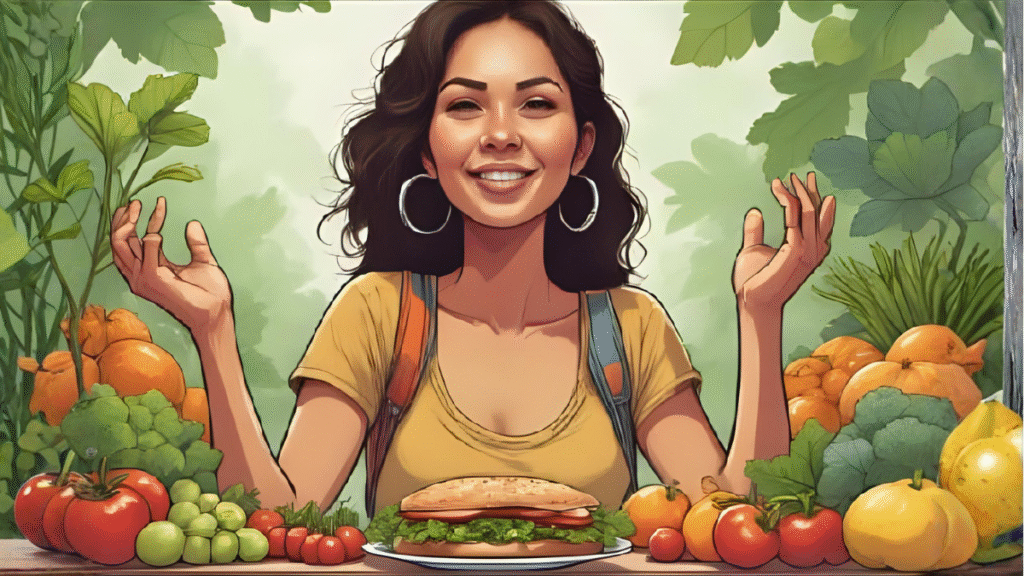
To truly grasp the power of food, we first need to understand what hormones are. Think of them as tiny, highly efficient chemical messengers. They travel through your bloodstream, telling your cells what to do—everything from regulating your metabolism and sleep cycles to managing your moods and your reproductive health. However, if these messengers are out of balance, the entire communication system can break down, leading to the symptoms we all know and dread.
Your diet is a critical partner in this process for a simple reason: food provides the raw materials and the signals that your body needs to create, regulate, and eliminate hormones. What you choose to eat can either support this delicate system or throw it off balance. For example, a meal of refined carbs and sugar sends a massive signal to your body to produce insulin, which, when it spikes and crashes, can have a domino effect on cortisol (your stress hormone) and even your thyroid. Conversely, a meal rich in healthy fats and protein sends a signal of stability, telling your body it’s safe to produce and regulate hormones peacefully.
The Building Blocks – Foods to Embrace
This is the fun part. Instead of focusing on what you can’t have, let’s focus on the delicious, nourishing foods that actively support your hormonal health.
1. Your Hormones’ Best Friend
First and foremost, you need fat to create hormones. Healthy fats are the very building blocks for steroid hormones like estrogen, progesterone, and cortisol. Therefore, if you’re eating a low-fat diet, you might be unintentionally starving your body of the essential materials it needs to stay balanced.
- Embrace these: Avocados, olive oil, nuts (walnuts, almonds), seeds (chia, flax, pumpkin), and fatty fish like salmon. These fats also help keep your blood sugar stable, which is crucial for managing insulin.
2. The Great Detoxifier
Fiber is an absolute non-negotiable for hormonal health, especially for women. It acts like a broom, sweeping through your digestive system. Specifically, it helps your body flush out excess hormones, particularly estrogen. When your body has too much estrogen, it can lead to symptoms like breast tenderness, mood swings, and irregular periods.
- Embrace these: Leafy greens, cruciferous vegetables (broccoli, cauliflower), berries, apples, legumes, and whole grains like quinoa and oats. In addition, these foods also feed your gut bacteria, and a healthy gut is a cornerstone of hormonal balance.
3. The Power of Balance
Protein is essential for keeping your blood sugar steady. Every time you eat a meal, a combination of protein, fat, and carbs is digested. The protein and fat slow down the release of sugar into your bloodstream, preventing those dramatic insulin spikes. As a result, stable blood sugar leads to stable energy, stable moods, and a less stressed hormonal system overall.
- Embrace these: Lean meats, fish, eggs, and plant-based proteins like chickpeas, lentils, and tofu.
4. Cruciferous Vegetables: The Liver’s Little Helpers
This unique group of vegetables is like a spa treatment for your liver. They contain a compound called Indole-3-carbinol (I3C), which helps your liver metabolize and eliminate excess hormones, especially estrogen. Consequently, they are crucial for preventing hormonal imbalance.
- Embrace these: Broccoli, kale, cauliflower, Brussels sprouts, and cabbage.
The Red Flags – Foods to Reconsider
This section isn’t about shame or judgment. It’s about being mindful of the foods that can put a strain on your hormonal system. It’s not about being perfect, but about making more informed choices when you can.
1. Refined Sugars & Processed Foods
Refined sugar and highly processed foods (white bread, pastries, sugary drinks) are a major hormonal disruptor. They cause a rapid spike in your blood sugar, which triggers a massive insulin release. Afterward, your blood sugar crashes, leaving you feeling tired, irritable, and craving more sugar. Furthermore, this constant cycle of spiking and crashing puts a tremendous amount of stress on your adrenal glands and can lead to inflammation, which is a major enemy of hormonal harmony.
2. Excessive Caffeine & Alcohol
A morning cup of coffee is a ritual for many of us, but too much caffeine can be a problem. It stimulates your adrenal glands, leading to an increase in cortisol production, especially if consumed on an empty stomach. Similarly, alcohol can interfere with blood sugar regulation and liver function, making it harder for your body to metabolize hormones effectively. Ultimately, both can disrupt your sleep, and we know that poor sleep is a huge stressor on your hormones.
The Holistic Picture
While diet is a cornerstone, it’s just one piece of the puzzle. For true hormonal harmony, you need to look at your lifestyle as a whole.
- Manage Stress: Chronic stress floods your body with cortisol, which can directly affect your thyroid and sex hormones. Therefore, incorporating stress-reducing activities like meditation, yoga, or even just deep breathing can make a massive difference.
- Prioritize Sleep: Your body repairs and regulates hormones while you sleep. Thus, aiming for 7-9 hours of quality sleep per night is one of the best things you can do for your hormonal health.
- Stay Hydrated: Water is essential for every bodily function, including the transport of hormones and the detoxification process.
In conclusion, your diet is not just about calories; it’s about providing your body with the information it needs to thrive. By focusing on whole foods, healthy fats, fiber, and protein, and by being mindful of potential disruptors, you can empower your body to find its natural balance. This journey is a process, and every small, conscious choice you make is a step toward a more radiant, balanced, and energized you.
What’s one small dietary change you feel ready to make this week to support your hormonal health?