

Your Guide to a Clearer, Brighter Complexion
Have you ever looked in the mirror and noticed those little dark spots staring back at you? Perhaps they’re a souvenir from a past breakout, a result of too much fun in the sun, or a side effect of hormonal changes. Rest assured, you are not alone. These dark spots, scientifically known as hyperpigmentation, are one of the most common skin concerns that women face. While they can be frustrating, the good news is that they are very manageable. With the right approach and a little patience, you can fade existing spots and, more importantly, prevent new ones from appearing.
This isn’t just about covering them up; it’s about understanding why they happen and taking proactive steps to create a more even, radiant, and happy complexion. So, let’s get to the bottom of this and discover the secrets to spot-free skin.

Understanding Hyperpigmentation
Before we dive into solutions, let’s quickly break down what’s actually happening on a cellular level. Your skin gets its color from a pigment called melanin. It’s produced by special cells called melanocytes, and its primary job is to protect your skin from UV radiation.
However, sometimes these melanocytes go into overdrive. This can be triggered by a number of factors, including:
- Sun Exposure: This is, without a doubt, the number one culprit. When your skin is exposed to the sun’s UV rays, it ramps up melanin production to create a tan, which is its way of trying to protect itself. Unfortunately, this can lead to an overproduction of pigment in certain areas, resulting in sun spots, also known as age spots or liver spots.
- Post-Inflammatory Hyperpigmentation (PIH): Ever get a pimple that leaves a dark mark long after the breakout is gone? That’s PIH. Any kind of inflammation or trauma to the skin—like a cut, a rash, or a particularly aggressive breakout—can trigger the melanocytes to produce excess pigment as part of the healing process.
- Hormonal Changes: Melasma, often called the “mask of pregnancy,” is a form of hyperpigmentation triggered by hormonal shifts. Birth control pills and hormone replacement therapy can also be a cause.
- Skin Type: Individuals with a richer melanin content in their skin are more prone to hyperpigmentation because their melanocytes are naturally more active.
Phase 1: The First Line of Defense: Prevention is Key
It’s a cliché, but it’s a cliché for a reason: prevention is always better than cure. When it comes to dark spots, this could not be more true. Fading a spot can take months, but it only takes a few minutes of unprotected sun exposure to create a new one.
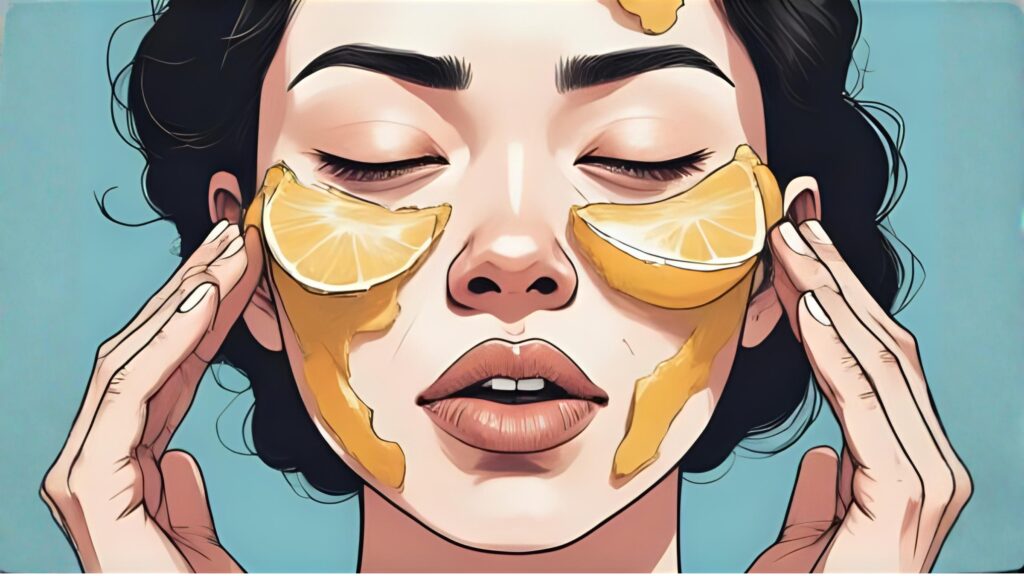
Your Daily Skincare Routine as Your Armor
- Wear Sunscreen. Every. Single. Day. This is non-negotiable. Rain or shine, indoors or outdoors, you need a broad-spectrum SPF of at least 30. UV rays can penetrate windows and clouds, and they are the primary driver of dark spots. Make sunscreen a non-negotiable final step in your morning routine. A little tip: choose a sunscreen that you genuinely enjoy using—be it a lotion, a gel, or a mineral-based one—so you’re more likely to use it consistently.
- Protect Your Skin from Yourself. Stop picking at your pimples! I know it’s hard, but squeezing and prodding a breakout only increases inflammation and drastically raises your chances of developing a dark mark. Try a spot treatment instead to calm the breakout down gently.
- Choose Your Skincare Wisely.Ingredients matter. First and foremost, incorporate antioxidants like Vitamin C into your morning routine. Vitamin C is a powerful ingredient that not only brightens the skin but also protects it from free radical damage, which can worsen hyperpigmentation.
Phase 2: Fading the Spots: Your Active Ingredients Toolkit
So, you’ve been wearing your sunscreen and not picking your skin. Now it’s time to tackle the spots that are already there. This is where a targeted approach with the right active ingredients comes in. Remember to introduce new products slowly and patch test to avoid irritation.
The Holy Trinity of Dark Spot Fighters:
- Retinoids (Vitamin A derivatives):Why they work: Retinoids are a skincare powerhouse. They not only speed up skin cell turnover, which helps shed pigmented cells, but also prevent the clumping of melanin, leading to a more even skin tone. This is an ingredient you’ll want to use at night. Start with a low concentration (like 0.25%) a few nights a week to build tolerance.
- Vitamin C:Why it works: In addition to its protective benefits, Vitamin C is a well-documented skin brightener. It inhibits the enzyme responsible for melanin production, thus helping to fade existing dark spots. A Vitamin C serum is best used in the morning for its antioxidant benefits.
- Alpha Hydroxy Acids (AHAs):Why they work: AHAs, such as glycolic acid and lactic acid, work by gently exfoliating the top layer of your skin. This process helps to shed the dead skin cells that contain excess pigment, revealing a fresher, brighter layer of skin underneath. Use an AHA toner or a serum a few nights a week, alternating with your retinoid.
Other Effective Ingredients to Look For:
- Niacinamide (Vitamin B3): This versatile ingredient helps inhibit the transfer of melanin to your skin cells, preventing it from showing up as a dark spot. It’s also great for strengthening your skin barrier.
- Azelaic Acid: Excellent for both acne and hyperpigmentation, azelaic acid can lighten dark spots and reduce inflammation.
- Tranexamic Acid: This relatively new and exciting ingredient helps to block the pathways that lead to hyperpigmentation. It’s particularly effective for stubborn melasma.
Final Considerations: Professional Treatments
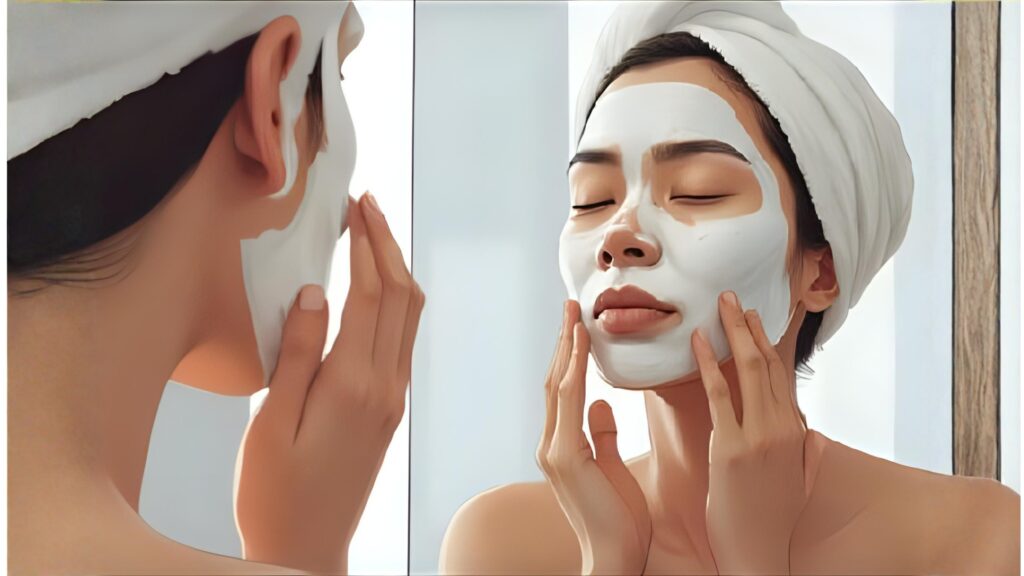
Sometimes, skincare products need a little help. If you have stubborn, deep-set hyperpigmentation, you might want to consider professional treatments.
- Chemical Peels: A dermatologist can apply a stronger concentration of acids to exfoliate the skin and speed up cell turnover, helping to fade spots more quickly.
- Laser Therapy: Laser treatments can target and break down the melanin in dark spots, which your body then naturally eliminates.
- Microdermabrasion: This treatment uses a device to gently exfoliate the skin’s surface, improving overall tone and texture.
In conclusion, remember that consistency is key. Fading dark spots is a marathon, not a sprint. Be patient with your skin and treat it with kindness. By religiously protecting your skin from the sun and incorporating a few powerful ingredients into your routine, you can take control of your complexion and reveal the beautiful, even skin you know is there.
What is the one change you will make to your skincare routine after reading this?